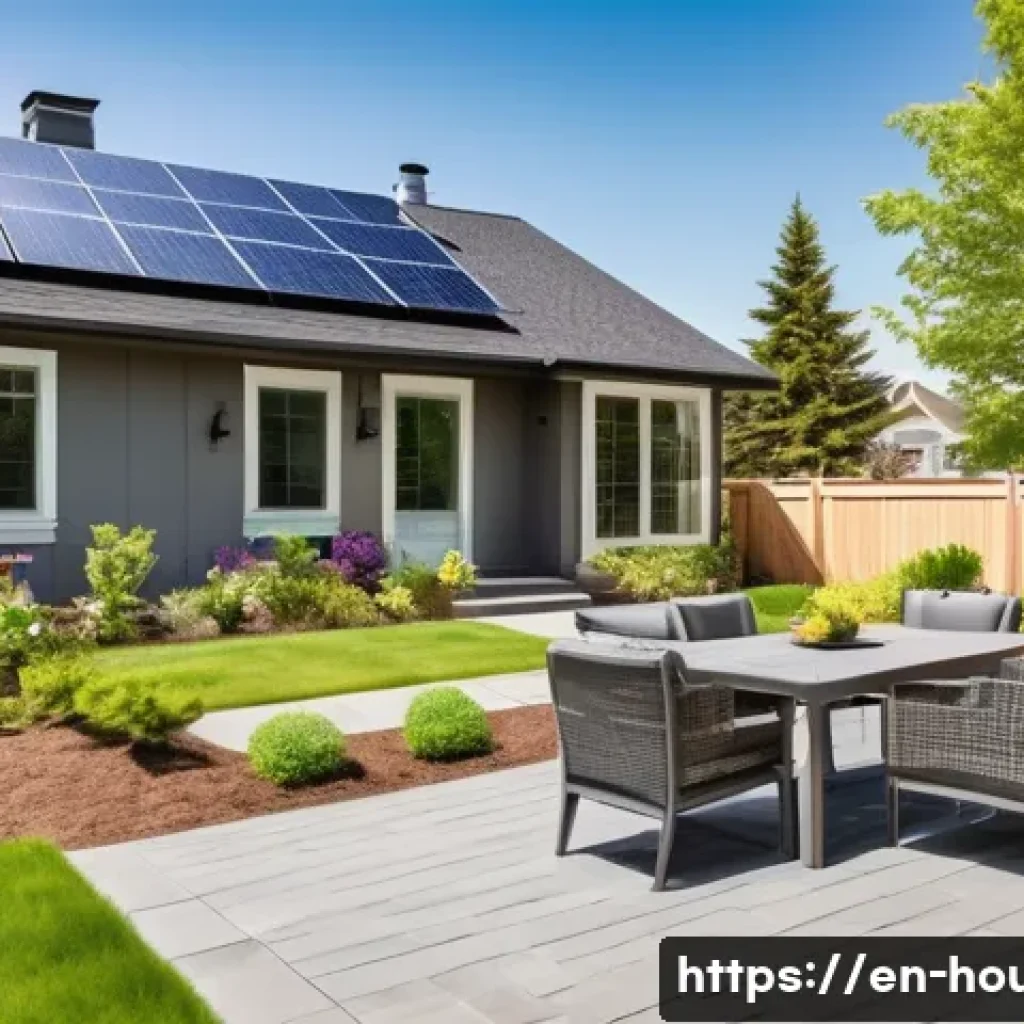
The housing market has been experiencing a noticeable downturn lately, leaving many homeowners and potential buyers wondering what’s driving this shift.
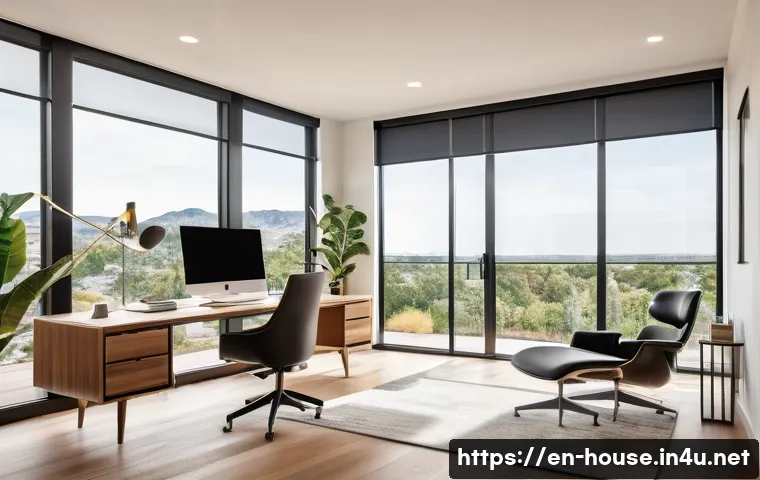
Rising interest rates, changing buyer preferences, and economic uncertainties all play significant roles in cooling the market. Additionally, tighter lending standards have made it harder for some to secure mortgages, contributing to slower sales.
As inventory levels fluctuate, the balance between supply and demand continues to evolve, impacting prices. Let’s dive deeper to uncover the key factors behind this trend and understand what it means for you.
I’ll walk you through the details so you can grasp the full picture!
Interest Rate Impact on Homebuying Behavior
How Rising Rates Change Buyer Calculations
When mortgage rates inch upward, even by a fraction of a percentage point, the monthly payment on a typical home loan can increase substantially. Buyers who once felt comfortable stretching their budgets suddenly find themselves recalculating affordability.
From my experience chatting with friends house hunting recently, many admitted they paused or downsized their searches after rates jumped. It’s not just about the sticker price anymore; the long-term cost of borrowing now weighs heavily on decision-making.
This shift in mindset naturally cools demand, as fewer buyers are willing or able to commit to higher interest costs.
The Domino Effect on Refinancing and Moving Plans
Higher interest rates don’t just impact first-time buyers; they also discourage existing homeowners from refinancing or moving. I’ve noticed several acquaintances holding off on selling because their current mortgage rates are much lower than today’s offers.
This reluctance to trade up or relocate reduces turnover in the market, which can slow sales velocity. For many, the idea of losing a favorable loan rate outweighs the benefits of a new home, even if it’s a better fit.
This effect contributes to a more stagnant market atmosphere.
Projected Rate Trends and Buyer Sentiment
Forecasts from financial experts suggest rates may continue to rise or at least remain elevated for some time. This uncertainty creates a “wait and see” attitude among potential buyers.
Personally, I’ve heard people express hesitation, hoping for a dip that might never come. This cautiousness affects how quickly offers are made and at what price levels, further dampening market activity.
The interplay between rate expectations and buyer psychology is a subtle but powerful force shaping today’s housing landscape.
Changing Tastes and Priorities in Home Features
The Shift Toward Remote Work-Friendly Spaces
With remote and hybrid work becoming the norm, buyers now prioritize home office spaces, reliable internet connectivity, and flexible room layouts. I’ve observed that homes lacking these features tend to linger longer on the market.
It’s interesting how a simple shift in work habits has transformed what counts as “must-have” for many buyers. Neighborhoods once overlooked are gaining appeal if they offer quiet streets or larger properties suitable for home offices.
This trend reshapes demand patterns and influences pricing in unexpected ways.
Outdoor Amenities Gaining Importance
Outdoor living areas like patios, gardens, and private yards have surged in desirability. After spending so much time indoors during the pandemic, people crave personal outdoor retreats.
I recall a recent open house where the backyard was the main selling point, attracting multiple competitive offers. This preference shift means sellers might need to invest in landscaping or upgrades to attract attention.
Conversely, homes without appealing outdoor spaces may see reduced interest, contributing to uneven price adjustments.
Energy Efficiency and Sustainability Features
More buyers are looking for green certifications, solar panels, and energy-efficient appliances. I’ve noticed listings highlighting these features prominently, sometimes commanding higher prices.
This growing awareness about sustainability reflects broader cultural shifts and can be a deciding factor for environmentally conscious buyers. Sellers who fail to keep up with these expectations might find their homes less attractive, especially in markets where eco-friendly living is a priority.
Economic Uncertainty and Its Ripple Effects
Job Market Volatility and Consumer Confidence
Economic jitters, fueled by inflation and geopolitical tensions, have made many potential buyers wary. When job security feels shaky, committing to a large financial obligation like a home purchase is daunting.
I’ve talked to several people who delayed buying because they’re unsure about future income stability. This drop in consumer confidence slows demand and can pressure sellers to lower prices or offer incentives.
Inflation’s Impact on Household Budgets
Rising prices for everyday goods squeeze household budgets, leaving less room for new expenses such as homeownership costs. Utilities, groceries, and fuel have all increased noticeably, which buyers factor into their calculations.
I’ve seen buyers scale back on home size or postpone purchases as a result. This budget tightening reduces the pool of qualified buyers and can lengthen selling times.
Stock Market Fluctuations and Wealth Perception
The health of the stock market influences how wealthy people feel and their willingness to invest in real estate. Recent market volatility has tempered enthusiasm for large purchases.
Some potential buyers who might have used investment gains as down payments now face more constrained options. This dynamic adds another layer of complexity to the housing market, intertwining it with broader financial trends.
Stricter Lending Standards and Their Consequences
More Rigorous Credit Requirements
Lenders have tightened credit score thresholds and debt-to-income ratios to mitigate risk. From conversations with mortgage brokers, I’ve learned that some applicants who qualified last year now face rejections or requests for additional documentation.
This barrier excludes a portion of would-be buyers, particularly first-timers or those with less established credit histories. The result is a smaller pool of eligible buyers, slowing sales velocity.
Higher Down Payment Expectations
Alongside credit checks, lenders are demanding larger down payments in many cases. This requirement can be a significant hurdle, especially in markets where home prices remain high.
I know several people saving for years to meet these thresholds, which delays their entry into the market. Sellers may need to adjust expectations as the buyer pool shrinks due to these financial constraints.
Longer Approval Timelines
More thorough underwriting processes have extended the time it takes to secure loan approvals. Delays can frustrate buyers and sellers alike, sometimes causing deals to fall through.
This slowdown in transaction speed adds friction to an already cooling market. Patience becomes essential for anyone trying to navigate the current lending environment.
Supply and Demand Fluctuations in Local Markets
Inventory Shortages in Popular Areas
Certain cities and neighborhoods continue to experience low inventory despite broader market slowdowns. I’ve noticed that well-priced homes in desirable locations still attract multiple offers quickly.
This imbalance keeps prices elevated locally and contrasts with softer conditions elsewhere. Understanding these micro-markets is crucial for buyers and sellers alike.
Increased Listings in Secondary Markets
Conversely, some less sought-after areas have seen a rise in available homes as sellers adjust to shifting demand. These markets might offer better deals but also come with longer time on market.

I’ve seen buyers explore these options when priced out of primary markets, changing the geographic dynamics of homebuying.
Impact of New Construction Trends
Builders are responding to demand shifts by focusing on specific types of homes, such as smaller footprints or multi-family units. This trend influences overall supply and can either alleviate or exacerbate shortages depending on local preferences.
From my perspective, new developments can revitalize certain areas but also create competition for existing homes.
Summary of Key Market Drivers
| Factor | Effect on Market | Buyer/Seller Impact |
|---|---|---|
| Rising Interest Rates | Higher borrowing costs reduce affordability and slow demand | Buyers pause or downsize; sellers face fewer offers |
| Changing Buyer Preferences | Demand shifts toward remote work features and outdoor spaces | Sellers must upgrade homes; some areas gain popularity |
| Economic Uncertainty | Lower consumer confidence and tighter budgets | Delayed purchases; price sensitivity increases |
| Stricter Lending Standards | Reduced pool of qualified buyers and longer approval times | More financing hurdles; slower sales |
| Supply-Demand Imbalance | Localized inventory shortages and surpluses | Competitive pricing in hotspots; bargains in secondary markets |
How Buyers Can Navigate the Current Market
Being Financially Prepared
Given the tighter lending environment, having your finances in order is more important than ever. I recommend getting pre-approved and reviewing your credit reports early on.
This preparation can save time and reduce stress during the home search. Also, budgeting for higher monthly payments and upfront costs helps set realistic expectations.
Flexibility on Location and Features
Expanding your search area or being open to different home styles can uncover hidden opportunities. I’ve seen buyers find great deals by considering up-and-coming neighborhoods or homes needing minor renovations.
Being adaptable can make the difference between waiting indefinitely and closing a deal.
Working with Experienced Professionals
A knowledgeable real estate agent and mortgage broker can provide valuable insights and help navigate complexities. From my own experience, having trusted advisors made the process smoother and less overwhelming.
They can spot market trends early and negotiate more effectively on your behalf.
Strategies for Sellers to Adapt and Succeed
Pricing Homes Competitively
In a cooling market, pricing is critical. Overpricing can lead to extended time on market and missed opportunities. I’ve talked with sellers who initially resisted lowering prices but eventually saw faster sales after adjustment.
A realistic price aligned with current demand attracts serious buyers.
Highlighting Key Features Buyers Want
Showcasing work-from-home spaces, outdoor areas, and energy-efficient upgrades can make a big difference. Staging these features well helps buyers visualize lifestyle benefits.
Sellers who invest in minor improvements often see higher interest and better offers.
Offering Incentives When Appropriate
To stand out, some sellers offer incentives like covering closing costs or including appliances. While not always necessary, these perks can tip the scales in a competitive buyer’s mind.
I’ve noticed such strategies work especially well when inventory is abundant and buyers are cautious.
Long-Term Outlook and Market Adaptation
Potential for Stabilization or Further Adjustment
While the market is cooling now, it’s important to remember real estate cycles tend to fluctuate. If interest rates stabilize or economic conditions improve, demand could rebound.
I keep an eye on policy changes and employment data as signals for potential shifts. Patience and timing remain key.
Changing Demographics and Housing Needs
As younger generations enter the market and older homeowners downsize, preferences will continue evolving. This demographic turnover may create new demand patterns.
From what I’ve seen, flexibility and innovation in housing supply will be crucial to meeting future needs.
Technological Advances and Market Efficiency
Technology is reshaping how homes are bought and sold, from virtual tours to digital closings. These tools can help streamline transactions and widen access.
Embracing innovation may help both buyers and sellers adapt more easily to changing conditions.
Conclusion
The current housing market is shaped by a complex mix of rising interest rates, shifting buyer preferences, and economic uncertainties. Navigating these challenges requires adaptability, careful financial planning, and the guidance of experienced professionals. Both buyers and sellers who stay informed and flexible will be best positioned to succeed in this evolving landscape.
Useful Information to Keep in Mind
1. Getting pre-approved for a mortgage early can streamline your home search and improve your negotiating power.
2. Expanding your location preferences may reveal more affordable options or homes with desirable features.
3. Highlighting remote workspaces and outdoor amenities can significantly increase a home’s appeal to today’s buyers.
4. Monitoring interest rate trends and economic indicators helps set realistic expectations for timing and pricing.
5. Partnering with knowledgeable real estate agents and lenders is crucial to navigating stricter lending requirements and market fluctuations.
Key Takeaways for Buyers and Sellers
Understanding the impact of rising interest rates on affordability and buyer behavior is essential for making informed decisions. Buyers should be prepared financially and flexible in their search, while sellers need to price competitively and showcase features that align with current demand. Economic uncertainty and tighter lending standards add layers of complexity, but with the right strategy and professional support, both parties can navigate the market successfully. Staying attentive to local supply and demand dynamics will also provide a competitive edge in this changing environment.
Frequently Asked Questions (FAQ) 📖
Q: How are rising interest rates affecting the housing market right now?
A: Rising interest rates make borrowing more expensive, which means monthly mortgage payments increase for buyers. From my experience, this tends to cool demand because many potential homeowners hesitate to commit to higher costs.
As a result, fewer people enter the market, slowing down sales and putting downward pressure on home prices.
Q: Why are buyer preferences changing, and how does that impact home sales?
A: Buyers today are more selective, often prioritizing remote work-friendly spaces, energy efficiency, and proximity to amenities. I’ve noticed that homes lacking these features tend to sit longer on the market.
This shift means sellers need to adapt their properties or expectations to meet what buyers want, or risk slower sales.
Q: What role do tighter lending standards play in the current housing slowdown?
A: Lenders have become more cautious, requiring higher credit scores, larger down payments, and more documentation. This makes it tougher for some buyers to qualify for loans.
From what I’ve seen, this reduces the pool of eligible buyers, contributing significantly to the slower pace of transactions and giving sellers less bargaining power.