Maximize Your Home’s Value The 2025 Guide to Real Estate Appraisal Secrets

webmaster

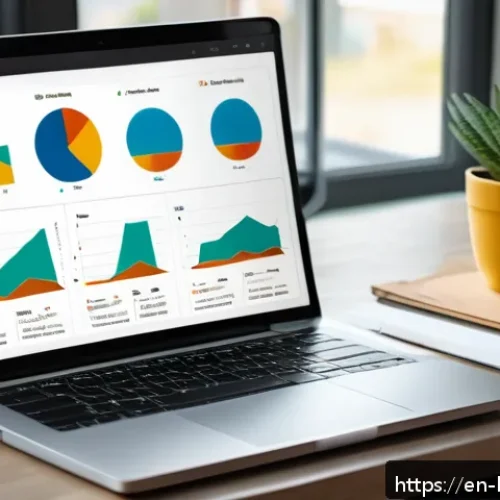
부동산 감정평가 기준 - **Prompt 1: The AI-Powered Real Estate Analyst**
    A sleek, modern office interior bathed in soft,...

Hey everyone! As someone who lives and breathes real estate, I’ve been utterly fascinated by how quickly the property world is evolving. If you’re buying, selling, or investing, you know that a property’s true value isn’t just about curb appeal anymore.

We’re on the brink of some really significant shifts in how homes and commercial properties are valued, and honestly, it’s a complete game-changer that affects everyone.

I’ve been digging deep into what’s coming next, especially with all the buzz around cutting-edge technologies and evolving global standards. Forget what you thought you knew about traditional appraisals!

We’re talking about everything from the incredible power of artificial intelligence and big data reshaping market insights and valuation accuracy to the absolutely crucial role of sustainability (hello, ESG scores!) influencing property desirability and investment.

Plus, major updates to industry benchmarks like USPAP and the RICS Red Book, not to mention that big UAD overhaul coming, mean that staying informed isn’t just smart—it’s absolutely essential for anyone serious about property.

It can feel a bit overwhelming, right? But trust me, understanding these changes can give you a real, competitive edge in today’s dynamic market. I’ve seen firsthand how a well-informed appraisal can quite literally make or break a deal, and with so many new factors influencing valuations, from fluctuating interest rates to highly localized market nuances, there’s a lot to unpack.

It’s not just about crunching numbers anymore; it’s about understanding the bigger picture, anticipating future potential, and knowing where value truly lies.

So, if you’re curious about how these cutting-edge trends will impact your next real estate move, or simply want to know what makes a property genuinely valuable in today’s fast-paced market, you’re definitely in the right place.

Let’s pull back the curtain and get you fully up to speed on the intricate, ever-changing world of real estate appraisal standards.

The real estate world is certainly buzzing right now, isn’t it? It feels like every other day there’s a new article or a headline about some groundbreaking tech or a shift in market priorities.

As someone deeply entrenched in this dynamic field, I can tell you that staying ahead of the curve in property valuation isn’t just about knowledge; it’s about anticipating what’s next and understanding the *why* behind it all.

We’re moving far beyond just comps and square footage, folks, into an era where data, environmental impact, and global standards are absolutely paramount.

It’s a lot to take in, but trust me, getting a handle on these changes will give you a serious leg up, whether you’re eyeing a new home, making a smart investment, or just keeping your finger on the pulse of the market.

Let’s dive right into what’s shaking up the appraisal world!

Embracing the AI Revolution in Property Valuation

부동산 감정평가 기준 - **Prompt 1: The AI-Powered Real Estate Analyst**
    A sleek, modern office interior bathed in soft,...

The rise of artificial intelligence and big data has fundamentally changed how we look at property value, transforming it from a somewhat subjective art to a more precise science.

I’ve personally seen how these technologies can sift through mountains of information that would take human appraisers weeks to process, giving us insights that were previously unimaginable.

AI-powered Automated Valuation Models (AVMs), for instance, can now spit out property values in near real-time by analyzing everything from historical sales and property characteristics to current market trends and even socio-economic indicators.

This isn’t about replacing the human touch entirely, but rather augmenting our capabilities and making the entire process far more efficient and accurate.

It’s like having a super-powered assistant that never sleeps! The sheer speed and reduction in human error that AI brings to the table are revolutionary, especially in fast-paced sectors like mortgage lending where quick, accurate appraisals are absolutely vital for speeding up loan approvals.

I remember a few years ago, we’d dread complex rural appraisals because finding truly comparable data was like searching for a needle in a haystack. Now, with AI, the scope of data we can tap into is phenomenal, making even those tricky valuations feel a lot more grounded.

Big Data’s Unseen Influence

Imagine the sheer volume of data involved in a single property transaction: public records, MLS listings, demographic shifts, economic indicators, even satellite imagery and social media activity.

Big data solutions are pulling all of this together, enabling comprehensive market analyses that identify trends and predict future behaviors with impressive accuracy.

This predictive power is a game-changer for investors, agents, and even everyday buyers, offering a truly competitive edge. When I started out, a “market analysis” meant poring over paper records and making a lot of phone calls; now, these sophisticated algorithms uncover patterns and correlations we simply couldn’t see before.

From Predictive Analytics to Risk Mitigation

Beyond just current valuations, AI and machine learning are revolutionizing investment strategies by identifying lucrative opportunities and minimizing risks.

Predictive analytics, driven by these technologies, can forecast market downturns, pinpoint investment risks, and even detect potential fraud before it impacts a portfolio.

I’ve personally used these tools to help clients understand not just what a property is worth today, but what its potential trajectory looks like, which is invaluable for long-term planning.

It’s about being proactive, not reactive, and making decisions based on foresight rather than hindsight.

Sustainability Takes Center Stage: The ESG Imperative

Environmental, Social, and Governance (ESG) factors aren’t just buzzwords anymore; they are increasingly fundamental to property valuation and investment decisions.

The shift is palpable. I’m seeing more and more clients asking about a property’s ESG score, and honestly, it makes complete sense. Properties with strong ESG credentials aren’t just better for the planet; they often boast lower operating costs through energy efficiency, attract a wider pool of tenants and buyers, and generally present a lower risk profile to investors.

This is explicitly recognized in updates to international valuation standards, like IVS 2025 and the RICS Red Book, where ESG considerations are now mandatory.

It means appraisers are not just looking at the physical structure but also its energy consumption, water usage, waste management, and even its impact on the surrounding community.

Environmental Factors: More Than Just Green Paint

The “E” in ESG goes far beyond superficial greenwashing. We’re talking about tangible aspects like energy efficiency ratings, the use of renewable energy sources, measures to reduce emissions, and a property’s resilience to climate risks like extreme weather.

These factors can directly impact a property’s insurability, financing options, and its long-term value development. When I appraise a building now, I’m not just noting the solar panels; I’m evaluating their contribution to reduced operating costs and enhanced market desirability.

It’s a complete paradigm shift, and honestly, it’s exciting to see the industry catching up to what many of us have felt for a while – that true value is sustainable value.

Social and Governance: Building Community and Trust

The “S” and “G” components are equally vital, focusing on things like user experience, accessibility, community engagement, and transparent corporate governance.

A building designed to promote well-being, with good public transport connections, naturally holds more appeal and, consequently, value. From a governance perspective, transparent sustainability reporting and adherence to ethical conduct strengthen market position and investor confidence.

I’ve witnessed firsthand how properties that genuinely invest in their social impact and maintain strong governance practices become pillars of their communities, which, in turn, enhances their desirability and value over time.

It’s about creating spaces where people thrive, and that’s something you can’t put a simple price tag on, but it absolutely influences market perception.

Advertisement

Evolving Industry Standards: USPAP and RICS Red Book Updates

It’s no secret that the real estate industry, and especially the appraisal sector, operates under strict guidelines to ensure fairness and accuracy. That’s why updates to foundational documents like the Uniform Standards of Professional Appraisal Practice (USPAP) and the RICS Red Book are so incredibly important.

The 2024-2025 USPAP updates, for instance, include significant revisions to the ETHICS RULE, with new sections specifically prohibiting discrimination.

This means appraisers need to be more vigilant than ever in understanding and applying anti-discrimination laws at all levels. It’s a crucial step towards ensuring equity and integrity in our practice.

Similarly, the latest RICS Red Book revisions, effective in January 2025, are integrating ESG data, refining valuation modeling, and providing clearer guidance on risk assessment.

These aren’t just bureaucratic changes; they’re essential advancements that reflect our evolving understanding of property value and market dynamics.

USPAP: Strengthening Ethics and Non-Discrimination

The updated USPAP for 2024-2025 brings a strong emphasis on ethical conduct and non-discrimination. The Appraisal Standards Board (ASB) has added a fourth prohibition section to the ETHICS RULE, alongside new Advisory Opinions (39 and 40) that provide context on understanding and applying anti-discrimination laws.

This means we, as appraisers, are explicitly required to be aware of and comply with all applicable anti-discrimination laws, from federal to local levels, and to avoid any practices that could lead to disparate impact.

I’ve always believed in fairness, and these updates really solidify that commitment within our professional standards, ensuring that every appraisal is conducted with the utmost integrity and impartiality.

RICS Red Book: Modernizing for a Global Market

The RICS Valuation – Global Standards (Red Book) has always been a benchmark, and its 2025 updates are designed to keep it aligned with the latest International Valuation Standards (IVS) and current industry trends.

Key areas of focus include valuation modeling, risk assessment, and crucially, mandatory ESG data integration. This means appraisers working under RICS standards must now record relevant ESG data and assess its impact on property values.

There’s also new guidance on the use of AI and technology, emphasizing human oversight and professional judgment even as we embrace these powerful tools.

From my perspective, these changes are vital for maintaining consistency, transparency, and public confidence in valuations across a globally interconnected real estate landscape.

The UAD Overhaul: A Digital Transformation

The Uniform Appraisal Dataset (UAD) overhaul, specifically the move to UAD 3.6 and the redesigned Uniform Residential Appraisal Report (URAR), is another monumental shift.

Fannie Mae and Freddie Mac are basically ushering us into an entirely new digital ecosystem. Forget the old static forms; we’re talking about a dynamic reporting process where each report is tailored to property specifics, including only the necessary data fields.

This isn’t just a minor tweak; it’s a re-engineering of the entire valuation workflow, from inspection to submission. It means appraisers need to adapt to new software, leverage mobile technology for on-site data collection, and get comfortable with platforms that prioritize interoperability.

I’ve heard some appraisers express concern about the learning curve, but from what I’ve seen, the efficiencies and enhanced accuracy it brings are well worth the effort.

It’s about moving from “filling out forms” to generating comprehensive, data-rich reports.

Seamless Data Capture in the Field

One of the most practical implications of the UAD overhaul is the push for greater technological integration, particularly in the field. Appraisers are encouraged to use tablets and other digital tools during property inspections to capture data, photos, and comments in real-time.

This eliminates the need for redundant data entry back at the office, significantly reducing errors and speeding up the entire appraisal process. I mean, who *doesn’t* want to save time and boost accuracy?

It’s all about streamlining those tedious tasks so we can focus more on the critical analysis that truly adds value.

Enhanced Precision and Clarity in Reporting

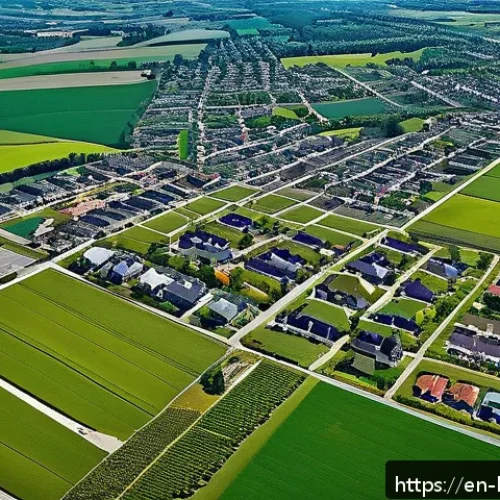
부동산 감정평가 기준 - **Prompt 2: Sustainable Urban Living and Community**
    A vibrant, modern residential complex desig...

The new UAD standards also come with updated definitions for Quality (Q) and Condition (C) ratings, allowing for a more precise assessment of property aspects like structural quality and exterior condition.

This means less ambiguity and more accurate reports, which is a win for everyone involved. For homeowners, it provides a clearer breakdown of how specific property features impact value.

It’s about moving towards a more objective, descriptive reporting format that leaves less room for subjective language and more emphasis on well-supported analysis.

I’m really looking forward to seeing how this translates into even higher quality reports for my clients.

Trend Key Impact on Appraisal Why It Matters to You
Artificial Intelligence & Big Data Automated Valuations (AVMs), Predictive Analytics, Faster Processing More accurate and quicker property valuations, better market insights for buying/selling/investing.
ESG Integration Mandatory consideration of environmental, social, and governance factors Increased property value for sustainable homes, lower operating costs, enhanced long-term investment appeal.
USPAP Updates (2024-2025) Stricter ethical guidelines, focus on non-discrimination Ensures fairer, more impartial appraisals, protecting all parties from bias.
RICS Red Book Revisions (2025) Mandatory ESG data, refined modeling, AI governance Globally consistent and transparent valuations, embracing modern tech with human oversight.
UAD Overhaul (3.6 & URAR) Dynamic, digital-first reporting, enhanced data capture More precise reports tailored to specific properties, faster turnaround times, increased accuracy through tech.
Advertisement

Navigating Market Dynamics and Economic Shifts

Let’s be real, the market is always moving, and that’s a huge part of what makes real estate so fascinating – and sometimes, a little tricky! We’re constantly grappling with market fluctuations driven by economic conditions, interest rates, and local trends.

I’ve personally seen how quickly things can change, and it means that accurate valuation isn’t just about what happened yesterday; it’s about understanding the present moment and anticipating what’s on the horizon.

Things like inflation, employment rates, and even global events can have a profound impact on property values. It’s not enough to just crunch numbers; we need to understand the broader economic context and how it influences demand and supply in specific locations.

This is where my expertise, combined with cutting-edge tools, really shines, offering you a clearer picture in an often-unpredictable environment.

Interest Rates and Affordability

One of the biggest factors I consistently see influencing the market is interest rates. When rates are high, affordability becomes a major hurdle for many buyers, which can naturally dampen demand and put downward pressure on prices.

Conversely, lower rates can spark a buying frenzy. It’s a delicate balance, and understanding these cycles is crucial. I’ve advised countless clients on how interest rate shifts might impact their buying power or their property’s market value, and it’s always a key part of the conversation.

Localized Market Nuances

While national trends are important, I can’t stress enough how much local market nuances matter. The value of a property is incredibly sensitive to its specific location—think neighborhood amenities, school quality, crime rates, and even planned infrastructure developments.

What’s hot in one zip code might be cooling off in another, even just a few miles away. Accurately assessing these localized impacts requires a deep understanding of community dynamics and a lot of boots-on-the-ground experience.

This is where I truly believe a human appraiser’s judgment complements the data, offering that vital qualitative layer.

The Enduring Value of Human Expertise and Judgment

Even with all these incredible technological advancements and evolving standards, there’s one thing that remains irreplaceable: the seasoned judgment and ethical compass of a human appraiser.

While AI can process data faster than any human, it’s our ability to understand context, interpret complex situations, and apply professional judgment that truly elevates an appraisal.

We’re not just glorified data entry clerks; we’re problem-solvers, detectives, and trusted advisors. The new RICS Red Book and USPAP updates both reinforce this, emphasizing that while technology is embraced, human oversight and professional judgment remain central to producing a compliant and credible valuation.

I’ve seen situations where the data simply didn’t tell the whole story, and it was my experience and intuition that helped uncover the true value, or potential risks, of a property.

Beyond the Algorithms: Unpacking Unique Properties

Every property has its own story, its own quirks, and its own unique set of circumstances that algorithms alone might miss. Think about a historic home with intricate architectural details, or a property with a specific zoning exception, or even a home impacted by a highly localized environmental factor.

These are the situations where human expertise truly shines. We can identify nuances, assess subjective elements like aesthetic appeal or unique historical significance, and ultimately provide a more holistic and accurate valuation that an AVM simply can’t replicate.

My experience tells me that these “story factors” can make a massive difference to a property’s desirability and ultimately, its value.

Ensuring Credibility and Trust

In a world increasingly reliant on automated systems, the credibility and trustworthiness of an appraisal become even more paramount. This is where the human element—our adherence to ethical standards, our transparency in reporting, and our commitment to impartiality—is absolutely essential.

We act as an independent, objective voice, providing a critical layer of confidence for all parties involved in a real estate transaction. I truly believe that my role is not just to provide a number, but to provide a thoroughly researched, well-reasoned opinion of value that everyone can trust.

It’s about safeguarding investments and ensuring fair dealings, and that, my friends, is a job I take incredibly seriously.

Advertisement

Bringing It All Together

Wow, what a journey through the ever-evolving landscape of property valuation, right? It’s truly incredible to witness how quickly our industry is adapting, embracing everything from cutting-edge AI to crucial sustainability mandates. For me, it’s not just about keeping up; it’s about actively shaping the future of how we understand and assess property value. I hope diving into these trends has given you a clearer picture of what’s happening behind the scenes and why these changes are so vital. Whether you’re a homeowner, an aspiring investor, or just someone curious about the market, staying informed about these shifts empowers you to make smarter, more confident decisions. The real estate world is dynamic, challenging, and endlessly rewarding, and I truly believe that with the right insights, you can thrive in it.

Handy Tips for Navigating the New Real Estate Landscape

Here are some actionable tips to help you stay ahead in this exciting new era of property valuation:

1. Embrace Technology, But Don’t Overlook the Human Touch: While AI and big data are revolutionary, remember that they are tools to augment, not replace, human judgment. Use AVMs for quick estimates, but always seek a professional appraisal for critical decisions. The nuances of a specific property or a unique market condition often require an experienced eye that algorithms simply can’t replicate. I’ve seen firsthand how a skilled appraiser can unearth details that tech might miss, providing a truly comprehensive picture.

2. Prioritize ESG in Your Property Choices: Look beyond immediate aesthetics and consider a property’s Environmental, Social, and Governance credentials. Investing in energy-efficient homes, properties with good community ties, or those built with sustainable materials can lead to lower operating costs, higher resale value, and a reduced risk profile. It’s not just good for the planet; it’s smart financial planning. When I’m looking at properties, the “green” features are increasingly becoming a non-negotiable for long-term value.

3. Stay Informed About Appraisal Standard Updates: For anyone involved in real estate transactions, understanding the basics of standards like USPAP (for the US) and the RICS Red Book (globally) is incredibly beneficial. These updates, with their focus on ethics, non-discrimination, and ESG integration, ensure fairer and more transparent valuations. Knowing these frameworks helps you ask the right questions and ensures you’re receiving a credible and compliant appraisal.

4. Keep a Close Eye on Local Market Data and Economic Indicators: While national news grabs headlines, property values are inherently local. Pay attention to interest rate trends, employment figures, and new developments in your specific area or target investment zones. These hyper-local factors often have the most significant impact on a property’s true market value and its potential for appreciation. I always tell my clients that national trends are a guide, but local data is the map.

5. Always Seek Professional, Independent Advice: Whether you’re buying, selling, or investing, unbiased, professional advice is invaluable. A qualified appraiser offers an objective opinion of value, free from the emotional attachments of buyers or the sales incentives of agents. They act as your trusted advisor, providing the clarity and confidence you need to make well-informed real estate decisions. In a complex market, a solid, independent appraisal is truly your best friend.

Advertisement

Summing Up the Essentials

The real estate valuation world is undoubtedly undergoing a profound transformation, blending cutting-edge technology with an increased focus on ethical practices and sustainability. What truly stands out from my perspective is that while AI and big data are making appraisals faster and more data-rich, the irreplaceable human element—our judgment, experience, and ethical commitment—remains the bedrock of credible valuations. By understanding these shifts, from the dynamic changes in market standards like USPAP and the RICS Red Book to the digital leap with the UAD overhaul, you’re not just observing the future; you’re actively preparing to thrive in it. Staying informed, leveraging technology wisely, and always valuing professional expertise are your keys to navigating this exciting new real estate landscape successfully.

Frequently Asked Questions (FAQ) 📖

Q: How are

A: I and Big Data genuinely transforming property valuation, and what are the tangible benefits for someone like me looking to buy or sell? A1: Oh, this is such a fantastic question because it’s where the rubber meets the road!
From my perspective, having watched the industry for years, AI and big data are nothing short of revolutionary for property valuation. They’re making the whole process faster, more accurate, and much more transparent than ever before.
Think about it: traditional appraisals often relied on a human appraiser’s experience and a limited set of comparable sales in a specific area. While human expertise is still super important, AI systems can now crunch vast amounts of data—we’re talking everything from transaction records, social media trends, local economic indicators, and even demographic shifts—at lightning speed.
What this means for you, whether you’re buying or selling, is a clearer picture of a property’s true market value. Automated Valuation Models (AVMs), powered by AI, can give you quick, accurate estimates by analyzing comparable sales and market trends almost instantly, which seriously cuts down on the time and cost involved in traditional appraisals.
I’ve seen deals accelerate because buyers and sellers have a more immediate, data-backed understanding of value. Beyond just speed, AI reduces the potential for human bias, offering a more objective valuation by analyzing thousands of data points.
Plus, these tools can even use image recognition to assess a property’s condition and quality from photos, ensuring descriptions match reality. For buyers, this means more accurate valuations and personalized recommendations.
For sellers, it means better pricing strategies and faster transactions because the data insights help anticipate market changes. It really empowers everyone to make more informed decisions.

Q: I keep hearing about ESG and sustainability in real estate. How exactly do Environmental, Social, and Governance factors actually influence a property’s value and investment potential today?

A: Absolutely, ESG is a massive buzzword right now, and for good reason! It’s moved way beyond just being a niche concern; it’s fundamentally reshaping how we perceive property value and investment risk.
From what I’ve observed and experienced, properties that integrate strong ESG practices aren’t just “nice to have” anymore; they’re genuinely more valuable and resilient in the long run.
On the “Environmental” side, think about energy-efficient buildings, renewable energy systems, and sustainable design. Properties with green certifications like LEED or BREEAM often command higher rents, attract more tenants and investors, and even have lower operating costs.
I’ve personally seen how a building with solar panels or smart thermostats can instantly become more appealing and fetch a higher premium. “Social” factors are about how a property interacts with its community and stakeholders—things like affordable housing initiatives, community engagement, and even safe, healthy indoor environments.
Properties that foster well-being and community often have higher occupancy rates and better tenant retention. And finally, “Governance” is about transparency, ethical practices, and responsible management.
Investors increasingly view companies and properties with strong governance as less risky and better positioned for long-term success. Essentially, incorporating ESG reduces risks—like climate damage or regulatory penalties—and increases financial returns.
Properties aligned with ESG often achieve higher occupancy, rent premiums, and greater long-term value, making them more resilient and attractive in an evolving market.
It’s a win-win: good for the planet and great for your portfolio!

Q: What are the biggest recent updates to key industry standards like USP

A: P, RICS Red Book, and the UAD, and how will these changes affect appraisers and property owners? A3: This is where things get really nitty-gritty, but it’s crucial for anyone in the real estate world to understand.
We’ve seen some significant overhauls to these foundational standards, and they’re designed to bring the appraisal industry into the modern age. Let’s start with USPAP (Uniform Standards of Professional Appraisal Practice).
The 2024 edition, which went into effect on January 1, 2024, brought some major updates, particularly to the ETHICS RULE. The biggest change is a clearer, expanded focus on non-discrimination.
The Appraisal Standards Board (ASB) explicitly added a fourth prohibition section on Non-Discrimination, clarifying that appraisers must comply with all anti-discrimination laws at local, state, and federal levels.
This means an even stronger emphasis on unbiased and non-discriminatory appraisal practices, which is incredibly important for fostering equity in housing.
They also clarified the analysis of “transfers” of property, not just “sales,” ensuring a more comprehensive view of property history. As someone who reviews appraisals, I can tell you this makes the ethical framework even more robust.
Next up, the RICS Red Book Global Standards. The new edition was published in December 2024 and became effective on January 31, 2025. These updates are all about aligning with the new International Valuation Standards (IVS) and adapting to emerging trends.
They’ve enhanced the focus on ESG factors, making mandatory consideration of ESG within the scope of work and reporting standards. There’s also new content on valuation modeling and methods, and even mandatory guidelines for the use of AI in valuation, emphasizing transparency and professional judgment.
From a practical standpoint, this means valuations will increasingly factor in a property’s sustainability performance and leverage technology, making appraisals more holistic and forward-looking.
Finally, the UAD (Uniform Appraisal Dataset) is undergoing a complete overhaul, with UAD 3.6 being rolled out. This isn’t just a tweak; it’s a modernization effort by Fannie Mae and Freddie Mac to streamline reporting and enhance data consistency.
The big news is a move to a dynamic Uniform Residential Appraisal Report (URAR) that replaces multiple forms with one flexible format, adapting to different property types and scopes of work.
It includes more granular data points, enhanced photo requirements, and an XML-based format for easier machine readability. This means appraisers will need to provide more detailed, structured data, leading to more consistent, accurate, and transparent reports, especially important for automated underwriting and risk assessment.
The goal is to improve data quality and usability, really preparing for the future of AI-driven analytics. While the full production for UAD 3.6 is slated for late 2026, the changes are already impacting how appraisals are completed and reviewed.
It’s a significant shift that demands adaptability from everyone involved, but the payoff will be a more efficient and reliable appraisal process for all.