It’s a sight we’ve all become accustomed to: vacant houses, silent sentinels on bustling streets or quiet cul-de-sacs. These empty spaces, from forgotten family homes to sprawling commercial buildings, often stand as missed opportunities, silently draining local resources and sometimes even impacting property values in the surrounding area.
But what if we told you these seemingly derelict properties aren’t just a problem, but a goldmine of untapped potential, waiting for a fresh perspective and some savvy planning?
The reality is, in many communities across the US and UK, there’s a growing inventory of vacant properties at the same time as a pressing need for affordable housing and dynamic new spaces.
The trick isn’t just to fill them, but to reimagine them in ways that breathe new life into neighborhoods, spark economic growth, and even tackle social challenges like homelessness.
From innovative residential conversions and community hubs to exciting new business ventures, the possibilities are genuinely limitless when you approach these properties with creativity and strategic insight.
I’ve personally seen firsthand how a neglected building can transform into a vibrant asset, and the impact it has on an entire community is nothing short of inspiring.
It’s not just about hammers and nails; it’s about vision, smart planning, and understanding the real needs of a changing world. So, if you’re curious about turning these overlooked spaces into something truly extraordinary, let’s dive in and explore some truly game-changing vacant property utilization plans!
You’ve hit the nail on the head! Those “silent sentinels” truly are loaded with potential, just waiting for someone to see past the dust and neglect. It’s a topic that’s near and dear to my heart, because I’ve witnessed firsthand the incredible ripple effect a thoughtfully redeveloped space can have on a community.
We’re not just talking about patching up old buildings; we’re talking about igniting new life, creating opportunities, and truly building a better future, one revitalized property at a time.
It’s a challenge, for sure, with financing hurdles and planning complexities, but the payoff? Absolutely immeasurable. Let’s dig into some of the most exciting ways people are turning these forgotten spaces into vibrant assets.
Rethinking Residential: Crafting Homes from History
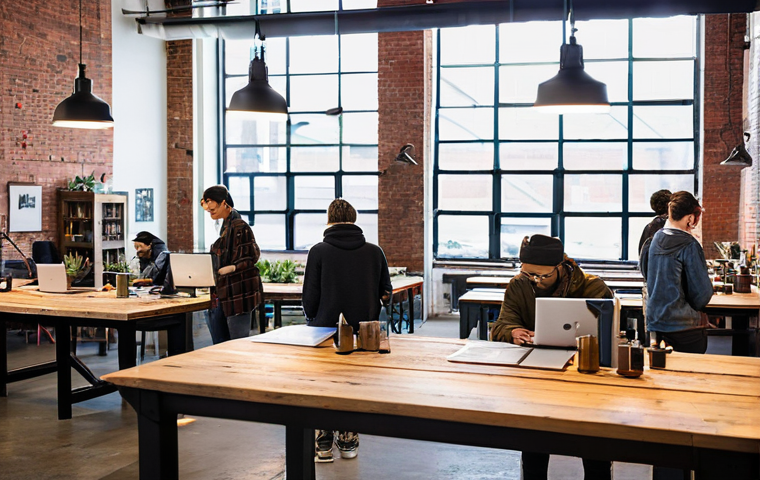
One of the most pressing issues in both the US and the UK right now is the desperate need for affordable housing. It’s truly heartwarming to see how many people are looking at vacant properties not as eyesores, but as readymade solutions to this challenge. This isn’t just about throwing up new apartment blocks; it’s about cleverly repurposing existing structures, giving them a second life and often retaining a sense of history and character that new builds simply can’t replicate. My experience has shown me that when done right, these conversions can create truly unique living spaces that are deeply woven into the fabric of a neighborhood, rather than feeling like a stark addition. Think old schools becoming stylish apartments or disused office buildings transforming into vibrant residential communities. The beauty of adaptive reuse for housing is that it often makes use of buildings already located in urban, walkable areas, close to amenities and public transport, which is exactly what so many people are looking for today. Plus, it’s a far more sustainable approach than demolition and new construction, significantly reducing waste and preserving the embodied energy in these older structures. Habitat for Humanity, for example, is actively promoting toolkits and initiatives in the UK to convert empty spaces into habitable residences, recognizing the vast potential in thousands of empty or underutilized properties owned by local authorities. Similarly, in the US, projects like the Peabody School adaptive reuse in Chicago transformed a century-old school into 23 apartments, cleverly salvaging original features like iron coat hooks and built-in cabinets, and even repurposing bricks for accent walls, which just adds so much charm, don’t you think?
Office to Apartment Conversions: The New Urban Frontier
The rise of remote work has left a noticeable void in many city centers, with office occupancy rates hitting record lows. But where some see empty cubicles, savvy developers see potential homes! Converting these large, often centrally located office blocks into residential units is a huge trend right now, particularly in cities grappling with housing shortages. It’s not a simple flip, mind you; it involves significant structural changes, from redesigning floor plans to installing new plumbing and electrical systems. I’ve heard developers talk about the challenge of fitting a new residential use into an old office footprint, often requiring millions of dollars and years of planning. However, with incentives like historic tax credits and green building tax credits, and the sheer demand for urban living, these projects are proving increasingly viable. In places like the Twin Cities in the US, developers are actively transforming landmark towers into living spaces, creating hundreds of units, some even earmarked as affordable housing.
Community-Focused Housing: Building More Than Just Walls
Beyond individual apartments, many vacant property projects are prioritizing community. This often involves integrating affordable housing with shared amenities or specific community needs. Community Land Trusts (CLTs) are playing a pivotal role here, acquiring land and ensuring long-term affordability for residents, often through ground leases that keep housing costs down. These trusts remove the land from the speculative market, making homeownership accessible to low- and moderate-income families and combating gentrification that can price out long-term residents. I’ve seen this strategy in action, and it’s truly powerful – not only does it provide stable homes, but it also empowers residents and helps to stabilize neighborhoods against rapid, unwelcome change. In Detroit, for instance, a long-vacant building is being converted into eight rental housing units, specifically offered to residents at 60% of the Area Median Income, supported by initiatives like the Build MI Community Grant.
Breathing Life into Local Economies: Commercial Transformations
It’s not just homes we’re creating; vacant commercial properties, from empty storefronts to sprawling warehouses, are being ingeniously repurposed to foster economic growth and community vibrancy. I mean, who hasn’t walked past a boarded-up shop and thought, “What a waste!” But these aren’t just empty boxes; they’re canvases for innovation, offering opportunities for entrepreneurs and new businesses to flourish without the prohibitive costs of ground-up construction or long-term leases. The shift in retail and working habits means we have more of these spaces available, and the creative solutions popping up are genuinely exciting. From my perspective, these projects are vital for maintaining the character and pulse of our high streets and town centers, ensuring they don’t become ghost towns but rather dynamic hubs where people can work, shop, and connect. The adaptability of these spaces means they can serve multiple purposes, often evolving with the community’s needs and bringing a fresh energy that draws people in.
Pop-Up Power: Temporary Retail and Experience Spaces
One of the most immediate and impactful ways to revitalize empty commercial units is through pop-up shops, temporary art galleries, and performance spaces. These “meanwhile spaces,” as they’re often called in the UK, offer a lower-risk entry point for small businesses and creatives, allowing them to test concepts and engage with customers without the burden of long-term leases. I love seeing how these temporary ventures inject immediate life and color into a street. Imagine an artisan craft market taking over an old department store for a weekend, or a local theatre group staging a play in a disused storefront! In New York City, pop-up marketplaces have allowed small businesses to thrive in high-traffic areas, while San Francisco has seen empty retail spaces transform into intimate performance venues. It’s a win-win: property owners get some income and activity, and the community gets fresh, dynamic experiences.
Innovative Business Hubs: More Than Just Offices
Beyond retail, larger vacant commercial buildings are being transformed into innovative business hubs. Think co-working spaces, maker spaces, or even life science labs. With the rise of the gig economy and flexible work, co-working spaces offer freelancers and startups affordable, professional environments with shared amenities, fostering collaboration and networking. I’ve seen some incredible transformations where old warehouses, with their high ceilings and open layouts, become perfect environments for maker spaces – places where people can come together to build, invent, and learn new skills. Even niche industries like pickleball, which has exploded in popularity, are finding homes in vacant big-box stores, demonstrating how adaptable these properties can be to meet new demands. These creative conversions not only fill empty spaces but also create new job opportunities and contribute to a vibrant local business ecosystem.
Fostering Community and Culture: Creating Public Hubs
Vacant properties aren’t just about making a profit or providing housing; they’re also powerful tools for strengthening community bonds and enriching cultural life. I firmly believe that the heart of any thriving neighborhood lies in its public spaces, and when you can carve those out of something that was once neglected, the impact is even more profound. It’s about taking a forgotten corner and making it a place where people genuinely want to gather, learn, and express themselves. These transformations are often driven by local non-profits, community groups, and passionate individuals who see beyond the broken windows and envision a vibrant future. When a community takes ownership of these spaces, they become more than just buildings; they become symbols of resilience and collective spirit, fostering a sense of pride and belonging that’s truly infectious. I’ve personally been involved in discussions where the passion for these community-driven projects is palpable, and it’s always the most inspiring part of the process.
Cultural Centers and Art Galleries: Showcasing Local Talent
Imagine an abandoned factory or a disused church becoming a bustling art gallery or a vibrant cultural center. It’s happening, and it’s spectacular! These repurposed spaces provide artists with much-needed platforms to showcase their work and offer the community hubs for cultural engagement. In San Francisco, organizations have turned vacant storefronts into performance venues for theater, comedy, and live music, significantly enriching the city’s cultural scene. I’ve always found that art has a unique way of bringing people together, sparking conversations, and adding immense value to a neighborhood. Turning a desolate building into a place where creativity thrives can completely shift the public perception of an area, drawing in visitors and residents alike and becoming a focal point for local identity. It’s truly a testament to the power of imagination and community collaboration.
Green Spaces and Urban Farms: Nurturing Nature
In our increasingly urbanized world, finding green spaces can be a challenge. That’s why I’m so excited about the trend of converting vacant lots and even commercial properties into urban farms and community gardens. These initiatives not only provide fresh produce to local residents but also serve as educational centers for sustainable urban agriculture practices. In Chicago, some vacant storefronts have been transformed into indoor gardens and urban farms, bringing greenery and fresh food to city dwellers. Beyond food production, these green spaces deter crime, boost property values in neighboring homes, and encourage outdoor activity, improving overall community health and well-being. There’s something incredibly satisfying about transforming a concrete jungle into a verdant oasis, and the community engagement that comes with tending a shared garden is truly special.
Addressing Social Needs: Innovative Community Solutions
Vacant properties can be more than just buildings; they can be catalysts for addressing profound social needs within our communities. It’s about seeing beyond the immediate structure and recognizing the deeper impact these spaces can have on individuals and groups who might be struggling. From my experience, some of the most powerful and meaningful transformations happen when we use these properties to tackle challenges like homelessness, lack of educational opportunities, or the need for safe, inclusive gathering places. These are not typically the projects that generate massive profits, but their social return on investment is immeasurable, building stronger, more resilient communities from the ground up. It requires a collaborative spirit, often involving local government, non-profits, and dedicated volunteers, but the outcome is a community that feels more supported and connected. I’ve been truly moved by the dedication of those who champion these initiatives, turning despair into hope, one revitalized building at a time.
Temporary Shelters and Transitional Housing: A Helping Hand
With ongoing housing crises in many parts of the world, vacant commercial properties offer a tangible solution for temporary housing for homeless individuals, refugees, or those displaced by natural disasters. This approach not only addresses a critical social issue but can also help property owners generate some income from otherwise dormant assets. By collaborating with government agencies and non-profits, these projects can become financially viable and profoundly impactful. It’s a pragmatic and compassionate way to provide immediate shelter and support to those most vulnerable. I’ve often thought about how much good could be done if more properties were considered for such purposes, offering a safe, stable environment as people work towards long-term solutions. It’s about more than just a roof; it’s about providing dignity and a stepping stone to a better future.
Educational and Workshop Hubs: Empowering Through Learning
Empty buildings can become vibrant centers for learning and skill development, transforming into workshops, educational hubs, or interactive learning centers. Imagine a forgotten office space reborn as a place where people of all ages can engage in STEM workshops, art classes, or vocational training. In Seattle, vacant retail spaces have been repurposed into interactive learning centers, offering diverse educational activities outside traditional classroom settings. These hubs empower individuals with new skills, foster creativity, and provide valuable resources for career advancement, especially for young people or those looking to re-skill. I believe in lifelong learning, and creating accessible spaces for that is incredibly important. It’s an investment in human capital that pays dividends for the entire community.
Navigating the Process: Funding and Policy Frameworks
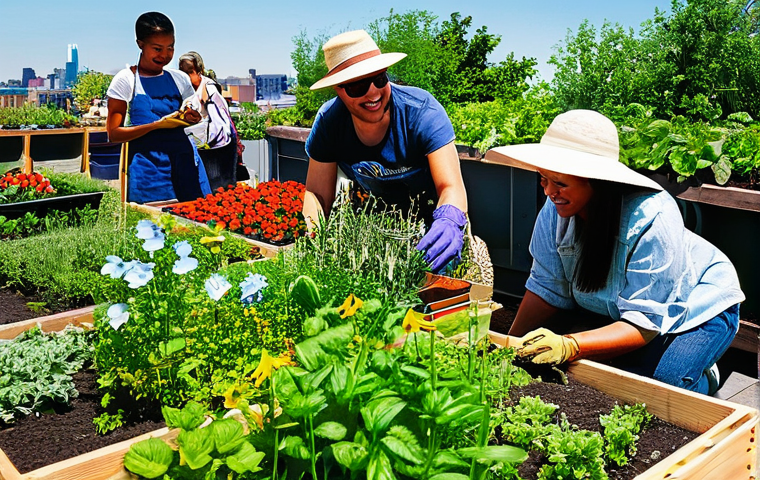
Alright, so we’ve talked about the amazing possibilities, but let’s get real for a moment: transforming a vacant property isn’t always a walk in the park. It often involves navigating a maze of regulations, securing funding, and bringing together diverse stakeholders. However, the good news is that there’s growing recognition from local governments and organizations in both the US and UK about the importance of these initiatives. They’re developing policies and offering financial incentives that make these projects more feasible. My own journey in this space has taught me that persistence is key, and understanding the financial and legal landscape can make all the difference between a dream and a dazzling reality. It truly is a collaborative effort, and the more we understand the mechanisms available, the better equipped we are to breathe new life into these forgotten spaces. It’s about leveraging every tool in the box to make these visions come to life.
Grants and Incentives: Fueling Redevelopment
One of the biggest hurdles for any redevelopment project is, of course, money. Thankfully, governments and non-profits are stepping up with grants, loans, and tax incentives to encourage the revitalization of vacant properties. In the UK, the Vacant Property Refurbishment Grant offers significant funding for refurbishing vacant homes, whether for personal residence or rental. Similarly, many local councils offer “Empty Homes Grants” to bring long-term empty properties back into residential use, helping with structural repairs and interior refurbishments. In the US, initiatives like the Build MI Community Grant provide funding to turn abandoned buildings into housing and storefronts, specifically aimed at supporting developers with limited experience. There are also often historic tax credits and brownfield tax credits available for projects that redevelop historically significant or environmentally contaminated sites, which can make a huge difference in project viability. Securing these funds often requires detailed plans and adherence to specific criteria, but they are absolutely essential for getting these projects off the ground.
Public-Private Partnerships and Land Banks: Collaborative Success
Many successful vacant property transformations are the result of powerful public-private partnerships. When developers, non-profits, and government agencies work together, they can pool resources, expertise, and funding to tackle complex projects. Land banks, for example, are governmental or non-profit entities that acquire vacant, abandoned, and tax-delinquent properties, clearing titles and preparing them for productive reuse. This model helps to eliminate blight and stimulate local economies by creating new opportunities for investment. In places like Baltimore, the “Vacants to Value” program used GIS analysis to identify emerging markets and strategically invest in community development clusters, attracting private development resources. I’ve seen firsthand how these collaborations can cut through red tape and bring about truly transformative change, demonstrating that when everyone is on the same page, even the most challenging properties can find a new purpose.
Confronting Gentrification: Ensuring Equitable Revitalization
As much as I advocate for the revitalization of vacant properties, it’s crucial to talk about a serious challenge that often accompanies urban renewal: gentrification. We’ve all heard the stories, or perhaps even seen it happen in our own towns – neglected neighborhoods get a facelift, property values soar, and suddenly, the long-term residents and beloved local businesses can no longer afford to stay. This is a tough one, because while revitalization brings clear benefits like reduced crime and improved infrastructure, it also carries the risk of displacement and cultural erasure. From my perspective, any successful vacant property utilization plan absolutely *must* have an explicit housing affordability plan embedded within it, right from the start. We have a responsibility to ensure that the revitalization benefits *everyone* in the community, not just new, more affluent residents. It’s about fostering inclusive development that honors the history and existing fabric of a neighborhood, rather than erasing it. It’s a delicate balance, but one we simply cannot afford to ignore if we want truly sustainable and equitable change.
Community Control and Anti-Displacement Strategies
To mitigate the risks of gentrification, proactive strategies that emphasize community control and anti-displacement measures are vital. This often involves empowering existing residents to have a voice in redevelopment plans and implementing policies that preserve affordable housing. Community Land Trusts (CLTs), which I mentioned earlier, are fantastic examples of this, as they own the land in perpetuity, ensuring that housing remains affordable for future generations by capping resale prices. I’ve seen how CLTs can protect tenants from displacement and maintain long-term affordability, fostering stability in neighborhoods. Other strategies include rent control, inclusionary zoning policies that mandate a certain percentage of affordable units in new developments, and support for existing small businesses. It’s about building a framework that explicitly safeguards vulnerable populations, so they can benefit from, rather than be displaced by, positive changes in their neighborhoods. It’s not enough to simply improve an area; we must ensure those who built the community are able to enjoy its renewed prosperity.
Balancing Development with Preservation
The goal isn’t to stop development, but to ensure it’s done thoughtfully and equitably. This means striking a balance between attracting new investment and preserving the unique character and affordability of existing neighborhoods. Policies such as adaptive reuse ordinances and planning projects need to consider the needs of current residents and deliver amenities that serve the community that already exists. When I look at successful projects, they’re often ones that integrate existing architecture, celebrate local history, and intentionally create mixed-income communities rather than homogeneous ones. For example, some initiatives involve vocational training programs where local students gain hands-on experience renovating vacant properties, turning blight into community assets while also developing workforce skills. It’s about smart, sensitive development that enhances rather than erases, creating a stronger, more diverse urban fabric for everyone. This table provides a quick overview of some common challenges and solutions in vacant property utilization:
| Challenge | Potential Solution | Benefit |
|---|---|---|
| High Renovation Costs | Government Grants & Tax Credits (e.g., UK Vacant Property Grant, US Historic Tax Credits) | Reduces financial burden, encourages investment |
| Lack of Affordable Housing | Adaptive Reuse for Residential, Community Land Trusts | Increases housing supply, ensures long-term affordability |
| Commercial Vacancy | Pop-Up Shops, Co-working Spaces, Innovative Business Hubs | Revitalizes high streets, fosters entrepreneurship, generates revenue |
| Community Disengagement/Blight | Community Centers, Urban Farms, Public-Private Partnerships | Fosters civic pride, provides services, attracts investment |
| Gentrification & Displacement | Community Land Trusts, Anti-Displacement Policies, Inclusive Planning | Protects long-term residents, maintains neighborhood diversity |
Sustainable Futures: Environmental and Social Gains
When we talk about vacant properties, we’re not just discussing economic revitalization; we’re also delving into some seriously important environmental and social benefits. It’s a holistic approach, really. My personal philosophy has always leaned towards making the most of what we already have, and that applies beautifully here. Demolishing old buildings generates massive amounts of waste and consumes huge amounts of energy, whereas adaptive reuse is inherently more sustainable. It’s about honoring the past while building a greener, more responsible future. And let’s be honest, who doesn’t want to live in a place that’s not only vibrant but also environmentally conscious and socially supportive? These projects offer a tangible way to achieve those goals, making our communities healthier, more efficient, and simply better places to call home. It’s a testament to human ingenuity that we can turn something seemingly obsolete into a beacon of sustainability and social progress.
Reduced Environmental Impact: Building Green from Old
Repurposing existing buildings is, without a doubt, a more sustainable approach than new construction. It significantly reduces construction and demolition debris, which can be a massive environmental burden. Beyond waste reduction, older buildings often possess embodied energy – all the energy that went into their original construction, from manufacturing materials to transporting them to the site. By saving these structures, we save that embodied energy. Many adaptive reuse projects also integrate modern energy-efficient systems, making the revamped buildings even greener than they were originally. For example, projects like The Octagon in New York, a former lunatic asylum, were transformed into apartments with high-performance mechanical systems and solar panels, using 35% less energy than conventional buildings. This commitment to sustainability not only benefits the planet but also often results in lower operating costs for residents and businesses, making the properties more attractive in the long run. It’s truly a smart way to build a future that respects our past.
Enhanced Social Equity: Inclusive Development
Beyond the environmental perks, the thoughtful utilization of vacant properties can lead to significant gains in social equity. By focusing on affordable housing conversions and community-led initiatives, these projects can actively combat disparities and create more inclusive neighborhoods. When a vacant building becomes a community center, an urban farm providing fresh food in a food desert, or affordable housing for artists and families, it strengthens the social fabric and ensures that development benefits everyone. My heart always swells a little when I hear about projects that involve local residents in the renovation process, like the Requity’s Carver House project in Baltimore, where students gained hands-on experience transforming a vacant property. These initiatives don’t just create spaces; they create opportunities, build skills, and foster a sense of ownership and pride among residents. It’s about ensuring that as our communities grow and evolve, no one gets left behind, and everyone has a chance to thrive in revitalized, vibrant surroundings.
Wrapping Up Our Journey Through Vacant Spaces
Well, there you have it! Our journey through the world of vacant property revitalization truly highlights the incredible potential waiting to be unleashed in every forgotten building and empty lot.
It’s more than just bricks and mortar; it’s about vision, community, and the powerful ripple effect that thoughtful redevelopment can create. From personal experience, I can tell you that seeing these transformations come to life is genuinely inspiring, reminding us that with a little ingenuity and a lot of heart, we can build a brighter, more sustainable future for all.
Handy Tips for Your Own Revitalization Adventures
1. Start Local: Before dreaming big, dive into your local council or city planning department. Understand zoning laws, community development plans, and any local incentives for vacant property reuse. This foundational research is crucial!
2. Scout for Support: Don’t go it alone! Look for grants, loans, and tax credits specifically designed for property revitalization in your area. Organizations like Habitat for Humanity or local land banks are often great resources, and state or national programs frequently exist for historic preservation or affordable housing projects.
3. Build Your Team: Redevelopment is rarely a solo act. Connect with local architects, urban planners, community organizers, and legal experts. A diverse team brings varied perspectives and crucial expertise to navigate challenges and maximize impact.
4. Prioritize People & Planet: Remember the bigger picture. Aim for sustainable practices in your renovation – think energy efficiency, reclaimed materials, and reduced waste. Crucially, engage the existing community to ensure your project meets their needs and contributes to equitable development, not displacement.
5. Think Creative & Flexible: The best vacant property projects often come from thinking outside the box. Could an old storefront be a pop-up art gallery, a community kitchen, or even an indoor pickleball court? Be open to innovative uses that might not be immediately obvious but offer immense value to the neighborhood.
Key Takeaways for a Vibrant Tomorrow
Ultimately, breathing new life into vacant properties is a powerful act of community building. It’s about more than just filling empty spaces; it’s about creating much-needed housing, stimulating local economies, fostering cultural hubs, and addressing pressing social needs.
By embracing adaptive reuse, leveraging strategic partnerships, and prioritizing inclusive development, we can transform neglected assets into vibrant, sustainable, and equitable cornerstones of our communities.
The potential is immense, and the positive impact on people’s lives is truly immeasurable.
Frequently Asked Questions (FAQ) 📖
Q: What are the most effective strategies for identifying and repurposing vacant properties to genuinely benefit a community?
A: From my years of watching neighborhoods evolve, I’ve come to realize that the most effective strategies for tackling vacant properties are always deeply rooted in understanding the local heartbeat.
It’s not a one-size-fits-all solution, you know? What works in a bustling urban center like London might be totally different from a small town in rural America.
But a common thread I’ve seen in successful projects is starting with robust community engagement. You absolutely have to talk to the people who live there.
What do they need? What do they dream of? Is it affordable housing, a new community center, or maybe even an urban farm?
Once you’ve got a clear picture, strategies like adaptive reuse come into play. This is where the real magic happens! Instead of tearing down perfectly good structures, we find new purposes for them.
Think old commercial buildings transforming into vibrant residential units, or disused retail spaces becoming self-storage facilities, gyms, or even healthcare clinics.
I’ve seen derelict warehouses in places like Manchester or old factory complexes in the US transformed into bustling arts districts or innovation hubs – places where local businesses thrive and creativity flourishes.
Another game-changer is the concept of land banks. These organizations, often governmental or non-profit, specialize in acquiring abandoned and vacant properties, clearing titles, and then putting them back into productive use, often for affordable housing or green spaces.
They really streamline a process that can otherwise be bogged down in red tape. And don’t underestimate the power of partnerships! Collaborating with local governments, non-profits, and even private developers can unlock resources and expertise that a single entity might not have.
It’s all about bringing people together with a shared vision to turn those empty spaces into vibrant community assets.
Q: Redeveloping empty buildings sounds great, but what are the biggest financial challenges, and how can everyday people or small organizations realistically tackle them?
A: Oh, trust me, the financial side of vacant property redevelopment can definitely feel like climbing a mountain! I’ve spoken with so many aspiring developers and community groups who hit this wall.
The biggest hurdles usually revolve around acquisition costs, renovation expenses (especially if there are structural issues or environmental remediation needed), and securing reliable funding.
But here’s the good news: there are absolutely ways to navigate this. First off, government grants are your best friend. In the UK, you might find things like the Vacant Property Refurbishment Grant, which can offer significant funds for renovating vacant or derelict properties, sometimes up to €70,000 in Ireland for derelict properties, for instance.
In the US, programs like the Community Development Block Grant (CDBG) Building Reuse Program often provide funds for renovating vacant industrial and commercial buildings for economic development, though these are typically for local government applicants working with a company creating jobs.
You’ve also got local authority loans that can help with both purchasing and renovating. It’s all about digging deep into what’s available in your specific area.
What I’ve learned from experience is that you often need to piece together a funding puzzle. Don’t be afraid to combine different sources! Private sector lending can also play a huge role, with specialist lenders offering bridging loans or buy-to-let mortgages specifically for renovating properties.
Sometimes, they even have solutions for auction finance, which can be useful for quickly acquiring a property. Also, look for incentives! Local governments are increasingly supportive of these projects and might offer tax savings or ease zoning restrictions to encourage redevelopment, especially for affordable units.
And remember, even though it feels daunting, many of these projects require matching funds, which can often come from the property owner or the project company itself.
It truly takes creativity and persistence, but the financial support is out there if you know where to look and who to partner with.
Q: Beyond just providing housing, how can repurposing vacant properties truly transform a neighborhood and create lasting positive change?
A: This is where my heart really sings! While addressing housing shortages is incredibly vital, and vacant properties are a fantastic resource for that, the true power of repurposing goes so much deeper.
It’s about more than just bricks and mortar; it’s about revitalizing the very soul of a community. One of the most profound transformations I’ve witnessed is the creation of community and cultural centers.
Imagine an old, empty department store becoming a vibrant hub for workshops, performances, and local gatherings, fostering a sense of belonging and cultural exchange.
Or a neglected lot turning into an urban farm or community garden, providing fresh produce, teaching sustainability, and creating beautiful green spaces in areas that desperately need them.
These spaces not only beautify the area but also bring people together, building stronger social bonds. I’ve seen innovation hubs and incubators sprout from disused industrial buildings, breathing new economic life into struggling areas by supporting startups and entrepreneurs.
This doesn’t just create jobs; it sparks a ripple effect, attracting new businesses and investments. And let’s not forget the power of “meanwhile spaces” or pop-up retail.
These temporary uses can inject immediate energy and economic activity into high streets, offering a low-risk testing ground for small businesses and creatives, and drawing foot traffic that can eventually lead to more permanent tenancy.
Beyond the tangible, repurposing vacant properties can significantly impact public safety and property values. A well-maintained, active space deters crime and removes blight, making the entire neighborhood feel safer and more desirable.
It’s about moving from “consumptive space” to “productive space,” as some urban planners put it, truly strengthening the social fabric and promoting a sense of pride.
When done right, with community input at its core, repurposing these spaces doesn’t just fill a gap; it builds a foundation for a more vibrant, resilient, and connected future.