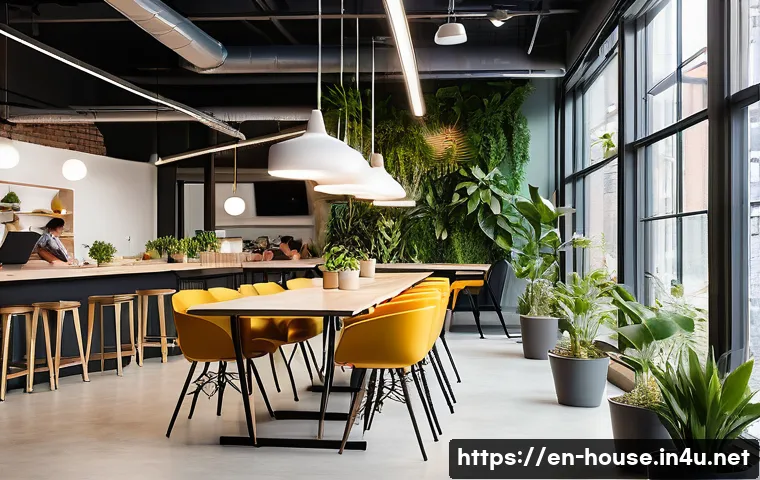
Finding the perfect workspace is a game-changer for productivity and creativity, especially in today’s fast-paced business world. Shared office rentals offer a flexible and cost-effective solution for freelancers, startups, and even established companies looking to scale without the long-term commitment of traditional leases.
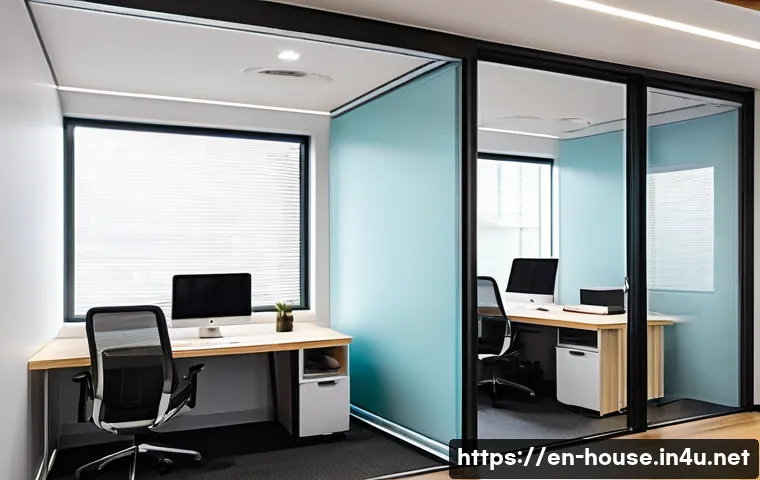
Beyond just a desk, these spaces foster community, networking, and access to modern amenities that can elevate your work experience. Whether you’re hunting for a vibrant hub in a bustling city or a quiet nook to focus, shared offices adapt to your unique needs.
Curious about how to choose the right one and what benefits you can expect? Let’s dive into the details and uncover everything you need to know!
Understanding Your Workspace Needs
Identifying Your Work Style and Priorities
Choosing the right workspace starts with a deep understanding of how you work best. Are you someone who thrives in a bustling environment filled with background chatter and dynamic energy?
Or do you prefer a quieter setting where focus and minimal distractions reign supreme? For example, if your job involves frequent brainstorming sessions or collaborative projects, a lively coworking space with open layouts and communal areas might be a perfect fit.
On the other hand, if your tasks demand intense concentration, you might lean toward a space that offers private rooms or soundproof booths. I personally found that pinpointing these preferences early saved me from jumping into a contract that didn’t suit my workflow, which was a real game-changer for my productivity.
Evaluating Location and Accessibility
Where your workspace is located can dramatically influence your daily routine and overall work-life balance. Accessibility is key—think about your commute, proximity to public transport, parking options, and nearby amenities like cafes or gyms.
When I moved into a shared workspace near a subway station, it instantly reduced my commute stress and gave me the flexibility to grab a quick lunch or meet clients without hassle.
Also, consider the neighborhood vibe: is it a business district buzzing with potential clients, or a quieter suburb where you can recharge after meetings?
These factors can subtly but powerfully impact your motivation and networking opportunities.
Assessing Workspace Amenities That Matter Most
Not all shared workspaces are created equal when it comes to amenities. High-speed internet, ergonomic furniture, printing and scanning facilities, and well-stocked kitchens are table stakes these days, but extras like wellness rooms, on-site cafes, or event spaces can elevate your daily experience.
I’ve been in spaces where the coffee quality alone made my mornings more enjoyable and boosted my energy levels. Also, pay attention to meeting room availability and booking flexibility—these can be crucial if you frequently host clients or team gatherings.
In essence, amenities should support your work style and help maintain your well-being throughout the day.
Financial Flexibility and Cost Transparency
Breaking Down Pricing Models
Shared workspaces typically offer various pricing tiers, from hot desks to dedicated offices, each with different levels of commitment and perks. Understanding how these pricing structures work is essential.
For instance, some places charge monthly, others offer daily passes or discounted rates for longer commitments. I remember opting for a monthly plan initially, which felt safer financially while I tested the waters.
It’s also wise to inquire about hidden fees—cleaning, printing, or event participation charges can add up. Transparency here can save you from unwelcome surprises later.
Comparing Value Beyond Just the Price
While cost is a significant factor, the cheapest option isn’t always the best value. I’ve learned that investing a bit more in a workspace that offers better networking opportunities, modern infrastructure, and responsive management can pay off in the long run.
Think about the potential ROI: Does the space facilitate client meetings that lead to new business? Does it provide workshops or community events that expand your skills?
These intangible benefits often justify higher costs and contribute to your professional growth.
Negotiating Terms and Flexibility
One advantage of shared office setups is their generally flexible lease terms compared to traditional commercial rentals. However, don’t hesitate to negotiate.
When I signed my current space, I managed to secure a three-month trial with an option to upgrade or downsize, which gave me peace of mind. Also, check for exit clauses or penalties—knowing your options if your needs change is invaluable.
Flexibility can be a lifeline, especially for startups or freelancers navigating uncertain business conditions.
Building Connections and Community Impact
Networking Opportunities Within the Space
Shared workspaces are often buzzing with professionals from diverse industries, creating fertile ground for networking. I’ve met potential collaborators, mentors, and even clients simply by chatting in common areas or attending community events hosted by the workspace.
These organic connections can spark unexpected opportunities that wouldn’t arise working in isolation. Look for spaces that actively encourage interaction through mixers, workshops, or interest groups—they foster a collaborative atmosphere that can elevate your career.
How Community Influences Productivity and Well-being
The sense of belonging to a community can significantly affect your motivation and mental health. When I was working remotely from home, I often felt isolated, which impacted my productivity.
Moving to a shared space introduced a positive social element—casual conversations, shared lunch breaks, and celebrating milestones together made work more enjoyable.
Moreover, some spaces offer wellness programs or mindfulness sessions, acknowledging that well-being is integral to sustained productivity. Finding a community that aligns with your values and work ethic can transform your daily experience.
Leveraging Events and Workshops for Growth
Many shared workspaces host educational events, from skill-building workshops to speaker series. I once attended a digital marketing seminar at my coworking spot that directly influenced a campaign I was running, leading to measurable results.
These events are excellent for continuous learning and staying updated with industry trends without leaving your workspace. When choosing a space, check their calendar and see if their offerings resonate with your professional goals.
Access to such resources can be a subtle but powerful advantage.
Workspace Design and Atmosphere
The Role of Interior Design in Productivity
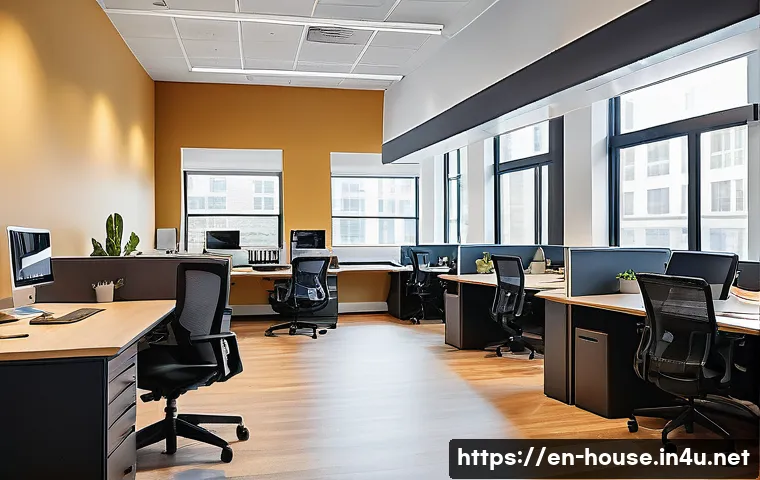
A well-designed workspace can do wonders for your focus and creativity. Natural light, comfortable seating, and thoughtfully arranged layouts reduce fatigue and keep your mind sharp.
I recall moving into a space with large windows and plenty of greenery, which instantly lifted my mood and energy levels. Conversely, cramped or poorly lit environments made me restless and less productive.
When touring potential spaces, pay close attention to how the design makes you feel—your workspace should inspire you, not drain you.
Balancing Privacy and Collaboration
The best shared workspaces strike a balance between open areas for collaboration and quiet zones for deep work. I often switch between the buzzing communal desk when I need a creative boost and a private booth when tackling complex tasks.
Some spaces offer phone booths or small meeting rooms that are perfect for calls or focused work. This flexibility lets you tailor your environment to the moment’s demands, which is crucial for maintaining productivity throughout varied workdays.
Customizing Your Space for Comfort and Efficiency
Many shared offices now allow members to personalize their desks or offices to some extent—adding personal items, choosing ergonomic accessories, or adjusting lighting.
I found that even small touches like a favorite desk lamp or a comfortable chair made a huge difference in how long I could work without discomfort. Don’t overlook these details when selecting a workspace; comfort directly correlates with efficiency and job satisfaction.
Technology and Support Services
Reliable Connectivity and IT Infrastructure
Fast, stable internet is non-negotiable in today’s work environment. I’ve experienced firsthand how a slow connection can derail an entire day. When evaluating shared spaces, test the Wi-Fi speed during peak hours and ask about backup solutions in case of outages.
Additionally, check if the workspace provides secure networks, especially if you handle sensitive data. Good technology infrastructure reduces stress and keeps your workflow uninterrupted.
On-Site Technical Assistance
Having IT support available onsite or on-call is a luxury that not every shared office offers but can be invaluable. I remember a day when my laptop refused to connect to the printer just before an important client presentation, and quick help from the workspace’s support team saved the day.
Even if you’re tech-savvy, knowing there’s backup helps you feel more secure and focused on your work.
Additional Support Services to Consider
Some shared offices provide reception services, mail handling, or administrative support, which can be a huge time-saver. For freelancers or small startups, this means less distraction from non-core tasks.
I’ve used these services to forward important documents or schedule visitor access, which streamlined my day significantly. If these conveniences matter to you, prioritize spaces that offer them as part of their package.
Comparing Workspace Options at a Glance
| Feature | Hot Desk | Dedicated Desk | Private Office |
|---|---|---|---|
| Privacy | Low – shared seating | Medium – assigned desk | High – enclosed space |
| Cost | Lowest | Moderate | Highest |
| Flexibility | High – daily or monthly | Moderate – monthly | Low – longer commitment |
| Storage | None or limited | Personal storage available | Full storage space |
| Community Interaction | High | Moderate | Low to Moderate |
| Best For | Freelancers, occasional users | Remote workers, small teams | Small businesses, privacy seekers |
In Conclusion
Choosing the right workspace is a personal journey that significantly impacts your productivity and well-being. By understanding your work style, evaluating amenities, and considering location and community, you set yourself up for success. Flexibility and support services further enhance your experience, making work more enjoyable and efficient. Ultimately, the best workspace aligns with both your professional needs and lifestyle.
Useful Tips to Remember
1. Always test the internet speed and connectivity during your visit to avoid disruptions later.
2. Prioritize flexible lease terms to accommodate changing work demands without stress.
3. Look for spaces that foster community through events and networking opportunities to grow professionally.
4. Consider ergonomic furniture and natural lighting as essential factors for long-term comfort and focus.
5. Don’t overlook hidden costs—clarify all fees upfront to maintain financial transparency.
Key Takeaways
Understanding your unique work habits and priorities is crucial when selecting a shared workspace. Location and accessibility directly influence daily convenience and work-life balance, while amenities should enhance productivity and comfort. Financial clarity and lease flexibility protect your investment, and being part of a supportive community can boost both motivation and growth. Lastly, well-designed spaces and reliable technology infrastructure form the foundation for an efficient and enjoyable work environment.
Frequently Asked Questions (FAQ) 📖
Q: What are the main advantages of using a shared office space over a traditional office lease?
A: Shared office spaces offer incredible flexibility and cost savings compared to traditional leases. You avoid long-term commitments, which is perfect if your business is growing or changing rapidly.
Plus, you get access to fully furnished workstations, high-speed internet, meeting rooms, and often perks like coffee bars and networking events—all included in one monthly fee.
From my experience, this setup removes a lot of the headaches around office management, letting you focus entirely on your work. It’s especially beneficial for freelancers and startups looking to stay agile without sacrificing professionalism.
Q: How do I choose the right shared office space that fits my work style and business needs?
A: Choosing the right shared workspace depends on several factors: location, community vibe, amenities, and your budget. Think about whether you need a quiet environment to focus or a bustling atmosphere to spark creativity and networking.
Visit the spaces in person if you can; the energy of a place often tells you more than photos. Also, check what’s included—some places offer 24/7 access, printing services, or even wellness rooms.
From what I’ve seen, the best spaces are those that align with how you work daily and support your growth, not just the cheapest option.
Q: Are shared office rentals suitable for established companies, or are they just for freelancers and startups?
A: Absolutely, shared office spaces can work brilliantly for established companies too! Many growing businesses use them to scale quickly without the overhead of traditional office leases.
They’re perfect for satellite teams, project-based groups, or even as temporary offices during transitions. I’ve known companies that started in shared spaces and later moved into larger offices, but they always valued the flexibility and community they experienced early on.
The networking opportunities and access to diverse professionals can also bring fresh ideas and collaborations, which is a huge plus regardless of company size.