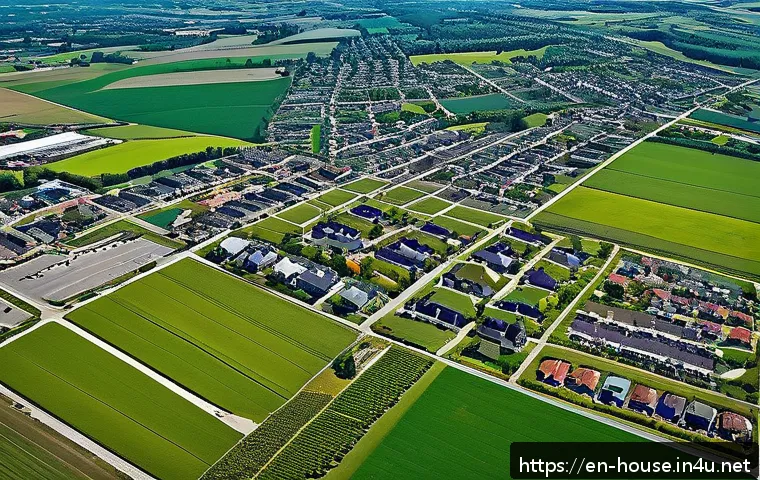
In today’s fast-changing real estate market, understanding the ins and outs of land sales has never been more crucial. Whether you’re a first-time buyer or a seasoned investor, recent shifts in zoning laws and market demand are reshaping opportunities and challenges alike.
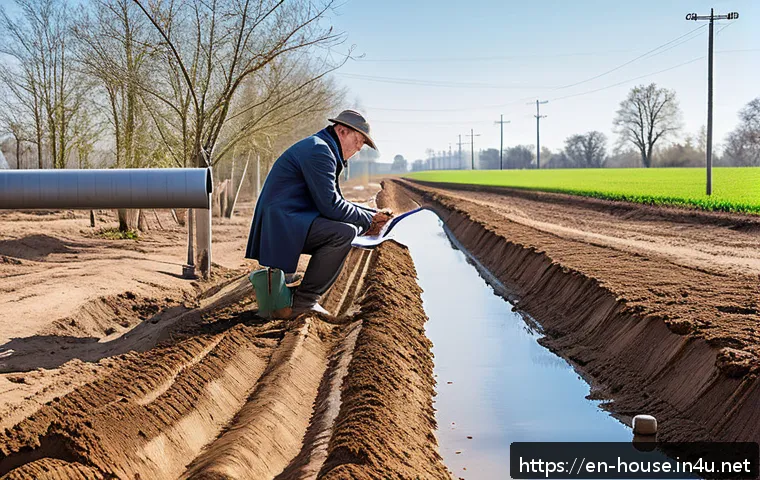
I’ve seen firsthand how a little knowledge can save you from costly mistakes and unlock hidden potential. Stick around as we dive into essential tips and insider insights that will help you navigate land purchases with confidence and clarity.
This isn’t just about buying property—it’s about making a smart investment that fits your future goals.
Decoding Zoning Laws: What Every Land Buyer Should Know
Understanding Zoning Categories and Their Impact
Navigating zoning laws can feel like decoding a secret language, but getting familiar with the categories is crucial before making any land purchase. Residential, commercial, agricultural, industrial—each zoning type dictates what can or cannot be developed on the land.
For example, buying a plot zoned strictly for agriculture may limit your ability to build a home or commercial property. I’ve seen buyers lose thousands simply because they overlooked this detail.
Always check the local zoning maps and consult with the zoning office to confirm current regulations and any pending changes. This knowledge can save you from costly surprises and help align your investment with your goals.
How Zoning Changes Can Affect Land Value
Zoning isn’t static. Cities and towns regularly revise zoning codes to reflect growth plans or community needs, which can either enhance or diminish land value overnight.
When I bought a parcel a few years ago, a zoning change converted nearby agricultural land to residential use, instantly increasing my property’s worth.
However, the opposite can happen too—if an area is rezoned for industrial use, your quiet residential plot might suddenly become less desirable. Keeping a pulse on local planning meetings and proposed zoning changes is a smart move that can give you a competitive edge.
Steps to Verify Zoning Before Buying
1. Visit the city or county zoning department’s website to review zoning maps and ordinances. 2.
Request a zoning verification letter for the specific parcel you’re interested in—it’s an official document that confirms the current zoning status. 3.
Consult with a local land use attorney or real estate professional who understands zoning intricacies. 4. Attend local planning commission meetings to stay informed on upcoming zoning proposals or changes.
5. If possible, speak with neighbors or community members to get a grassroots perspective on how zoning impacts the area.
Market Demand Trends That Influence Land Sales
Why Location Still Reigns Supreme
You’ve probably heard it a million times—location is everything in real estate—but it’s especially true when buying land. Proximity to infrastructure like highways, schools, and utilities dramatically shapes demand.
Recently, I noticed a surge in interest for land near expanding suburban areas, where people seek more space but want to stay close to city amenities.
On the flip side, remote rural land can be a tough sell unless it has unique features like waterfront access or recreational appeal. Understanding the local market’s pulse helps you pinpoint where demand is heating up and where it’s cooling off.
The Role of Economic Growth and Development Plans
Economic trends heavily influence land sales. When a city announces new industrial parks, tech hubs, or major commercial developments, nearby land often appreciates quickly.
I once tracked a planned business district for months before buying land nearby; within two years, the area became a hotspot. Conversely, economic downturns or stagnant job markets can stall land sales and depress prices.
Researching local economic indicators and future development plans is an essential step before investing.
Seasonal and Cyclical Patterns in Land Buying
Unlike residential homes, land sales often have unique seasonal patterns. Spring and summer usually see more activity as developers and buyers prefer favorable weather for site visits and construction planning.
Additionally, land markets tend to be cyclical, reflecting broader economic conditions—booming markets see rapid price increases, while downturns slow everything down.
Knowing when to enter the market can save you money and stress.
Evaluating Land Quality Beyond the Surface
Soil Composition and Drainage Considerations
One of the biggest mistakes I’ve seen is buying beautiful land without checking the soil quality or drainage. Poor soil can make farming impossible or complicate building foundations.
Heavy clay or sandy soils, for instance, have different implications for construction and landscaping. Drainage issues can lead to flooding, which not only damages property but also lowers value and complicates insurance.
Always conduct a soil test and inspect the land after heavy rains to assess drainage firsthand.
Access to Utilities and Infrastructure
Land with no access to water, electricity, or sewage systems can quickly turn into a money pit. Even if the land price is attractive, the cost of bringing in utilities can be prohibitive.
When I purchased a plot recently, I had to factor in thousands of dollars for utility hookups, which wasn’t clear at first glance. Check with local utility providers about availability and installation costs before committing.
Environmental Restrictions and Easements
Sometimes land comes with strings attached—protected wetlands, conservation easements, or other environmental restrictions can severely limit what you can do.
I once helped a client who bought a scenic forested lot, only to discover that a conservation easement prevented any clearing or development. These factors affect not just your use of the land but also its market value and future saleability.
Always request a title search and environmental assessments before purchase.
How to Secure Financing for Land Purchases
Understanding Different Loan Types

Unlike home mortgages, land loans tend to be trickier and often come with higher interest rates and stricter terms. There are several types: raw land loans, lot loans, and construction loans, each suited for different stages of ownership.
I’ve found that lenders are more cautious with raw land since it doesn’t generate income or offer immediate resale value. Knowing which loan fits your situation and how to prepare your financial documents can make all the difference.
Tips for Improving Loan Approval Chances
Lenders look at your credit score, down payment, and the land’s characteristics. Putting down at least 20-30% can improve approval odds. Demonstrating a clear plan for the land, like building a home or starting a farm, also helps convince lenders of your intent and reduces perceived risk.
When I was financing my first land purchase, having a well-documented development plan made the process smoother.
Alternative Financing Options
If traditional loans aren’t an option, seller financing or land contracts can be a viable alternative. These arrangements often come with more flexible terms but require careful negotiation and legal review.
I’ve seen sellers offer owner financing to close deals faster, which can be a win-win if you don’t qualify for bank loans or want to avoid lengthy approval processes.
Negotiation Strategies That Save Money and Add Value
Research Comparable Sales Thoroughly
Before making an offer, digging into recent sales of similar parcels is a must. This gives you a realistic price range and leverage during negotiations.
In one case, I found a neighboring plot sold for 20% less than the asking price, which I used to negotiate a better deal for my client. Don’t rely solely on listing prices—market realities often tell a different story.
Timing Your Offer Strategically
Sometimes waiting for the right moment pays off. Landowners may be more willing to negotiate during off-peak seasons or if the property has been on the market for a long time.
I’ve successfully secured discounts by approaching sellers during the winter months when interest tends to drop. Patience and timing can be your secret weapons.
Including Contingencies to Protect Yourself
Adding contingencies like zoning approval, environmental inspections, or financing clauses in your offer can protect you from unexpected hurdles. While sellers may resist lengthy contingencies, they provide you with an exit if the land doesn’t meet your expectations or financing falls through.
I always recommend clients to insist on these safeguards to avoid costly regrets.
Key Factors to Consider for Long-Term Land Investment
Potential for Appreciation and Development
Land that’s poised for future development or urban expansion typically appreciates faster. I’ve learned to look for plots near emerging neighborhoods or planned infrastructure projects, which often multiply in value over a decade.
Conversely, land in declining or stagnant areas might hold steady or lose value, so thorough research is essential.
Maintenance and Holding Costs
Unlike homes, land may not generate income and can incur ongoing costs such as property taxes, insurance, and upkeep like weed control or fencing. I had a plot where I underestimated annual taxes, which slightly dented my cash flow.
Budgeting for these expenses helps avoid surprises and ensures your investment remains sustainable.
Exit Strategy and Liquidity
Land tends to be less liquid than developed real estate, meaning it might take longer to sell. Planning your exit strategy upfront—whether resale, development, or leasing—can guide your purchase decisions.
I always ask myself, “How easy will it be to sell this land if needed?” before committing. Understanding liquidity helps balance risks and rewards.
| Aspect | Considerations | Impact on Investment |
|---|---|---|
| Zoning Laws | Current zoning, pending changes, permitted uses | Determines allowable development and affects value |
| Market Demand | Location, economic growth, seasonal trends | Influences land price and resale potential |
| Land Quality | Soil, drainage, utilities, environmental restrictions | Affects usability, construction costs, and value |
| Financing | Loan types, down payment, alternative options | Determines affordability and purchase feasibility |
| Negotiation | Comparable sales, timing, contingencies | Can lower purchase price and reduce risk |
| Long-Term Factors | Appreciation potential, maintenance costs, liquidity | Impacts overall return and investment sustainability |
In Conclusion
Understanding zoning laws and market dynamics is essential for making informed land purchases. Paying close attention to land quality, financing options, and negotiation tactics can significantly impact your investment success. With careful planning and research, you can avoid costly mistakes and maximize your returns. Remember, land buying is a long-term commitment that rewards those who stay informed and patient.
Helpful Information to Keep in Mind
1. Always verify the current zoning status and check for any upcoming changes before purchasing land.
2. Monitor local economic developments and infrastructure projects to gauge future land value.
3. Conduct thorough soil and drainage assessments to avoid unexpected construction challenges.
4. Explore all financing avenues, including alternative options like seller financing, to find the best fit.
5. Use negotiation strategies such as timing your offer and including contingencies to protect your interests.
Key Takeaways for Successful Land Investment
Grasping the nuances of zoning laws and market trends helps align your purchase with your goals and reduces risk. Evaluating land quality and access to utilities ensures the property is practical and cost-effective to develop. Securing appropriate financing and employing smart negotiation tactics can improve affordability and add value. Finally, considering long-term factors like appreciation potential, maintenance costs, and resale liquidity will support a sustainable and profitable investment journey.
Frequently Asked Questions (FAQ) 📖
Q: uestionsQ1: How do recent zoning law changes affect land purchases?
A: Zoning laws directly influence what you can build or develop on a piece of land. Recent changes often aim to accommodate shifting community needs or environmental concerns, which means a parcel that was once designated for residential use might now allow commercial development, or vice versa.
From my experience, staying updated on these changes before buying can prevent costly surprises. For example, I’ve seen buyers miss out on opportunities because they didn’t realize their land’s zoning had expanded, allowing for more profitable projects.
Q: What are the biggest risks when buying land in today’s market?
A: One major risk is overpaying due to market hype or misunderstanding land value, especially when demand spikes suddenly. Another is buying land with hidden issues like environmental restrictions, unclear property boundaries, or lack of access to utilities.
In my own land purchases, I’ve learned that thorough due diligence—like title searches and environmental assessments—is key to avoiding these pitfalls.
It’s also smart to work with local experts who understand the area’s nuances.
Q: How can I identify land with the best investment potential?
A: Look for properties in areas with planned infrastructure improvements, growing populations, or favorable zoning changes. Personally, I always research upcoming developments like new roads, schools, or commercial centers because these tend to increase land value over time.
Additionally, understanding local market trends and demand helps you spot undervalued parcels that others might overlook. Combining this with your long-term goals ensures your investment aligns with both current opportunities and future growth.